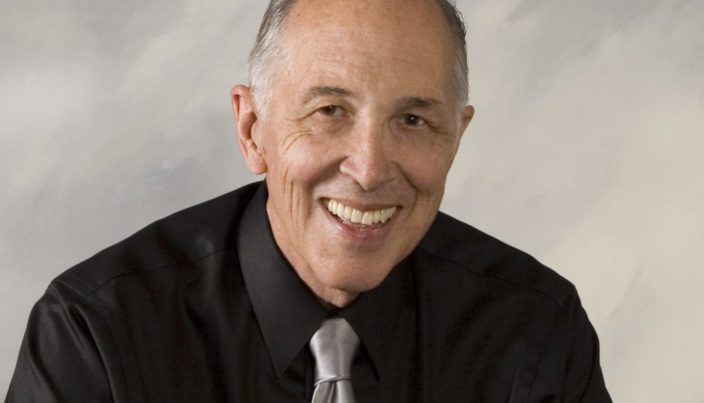
Kathie Erwin, Ed.D., LMHC, NCC, NCGC
The 2012 Olympics in London was a celebration of “Citius, Altius, Fortius”, that’s the Latin version of the Olympic motto, “Faster, Higher, Stronger.” These characteristics typically associated with youth are being challenged by radical aging. Although the average age for athlete in the London games was 26, the oldest was 71, with 187 competitors over age 40. Among the 500 members of Team USA, 10 were over age 44.
Granted, gymnastics, swimming, pole vaulting and some other events may be the territory for youth; however the presence of older adult athletes showed the world that being “faster, higher, and stronger” does not have to reduce elders to couch-sitting spectators. Great Britain’s Nick Skelton, age 54, rode for the gold in showjumping. His equestrian career dates back to the 1970s, long before most of the Olympic Village athletes (and many of their parents) were born.
What drives Skelton and other older athletes to break the “age ceiling” in competition? It’s the desire to remain active, to live a life in motion. Notice how much that sounds like our Christian responsibility to “occupy until He comes”. By the way, occupy is more than a protest to take up space. According to Webster’s Online Dictionary, “occupy” means to remain busy with a task, to take on roles and to “march aggressively into another’s territory.” Continuing to participate in sports and physical activities is one way that older adults can “occupy” and be a positive influence for younger athletes.
As the Baby Boomers continue to increase the ranks of older adults, they bring a youthful orientation to aging. These 60+ year olds are dramatically different than the 70s-80s elders in that Boomers continue to work, play sports, and maintain active lifestyles. With the Boomer desire to delay the physical ravages of aging, there is a renewed interest in physical activity and sports for older adults.
The American College of Sports Medicine (ACSM) encourages this trend and provides practical guidelines for “Exercise and the Older Adult,” supporting the training goals for the over-50 athlete or the newly retired person who wants to restore fitness.
Among the benefits of exercise and athletics for older adults are improvements in posture, endurance, socialization and life satisfaction. With regular exercise, many older adults begin to experience reduced stress, improved sleep, more positive self-image and sense of accomplishment.
ACSM’s guidelines encourage older adults not to shy away from strength training, which is useful for promoting bone density and increasing the metabolism. Even at older ages, exercise and training, done properly and consistently, can improve posture, reduce fall risk, improve range of motion, and support cardiovascular function.
It is important for Christian counselors to talk with older adult clients about their activity level. Going from the lounge chair in front of the TV to regular exercise is a process, not an event. Before recommending exercise, get more information on what the elder can and cannot do. A good starting point is to suggest a physician’s approval for exercise, then encourage your client to schedule at least a few sessions with a qualified personal trainer, to evaluate the type of exercise that is suitable. There are also simple alternatives like connecting with a walker’s group, chair aerobics or another specialty program at local community centers.
Faster, higher, and stronger is not just for Olympians. This motto can help older adults take pro-active steps toward nurturing their body as the temple of the Holy Spirit. Even those with lesser levels of physical acuity can be faster to pray, keep a higher focus on an eternal perspective, and become stronger in sharing the faith with others.
That’s going for the gold where it matters most!
Want to learn more about working with the Boomer generation and older adult clients? Don’t miss the upcoming AACC National Conference, September 27-29th in Branson, MO! Create your own customized conference schedule with specialized workshops in thirteen diverse tracks! Sign up today, while there’s still room! Workshops are filling up fast!

Kathie Erwin, Ed.D., Assistant Professor at Regent University, is a National Certified Gerontological Counselor, National Certified Counselor and Licensed Mental Health Counselor in Largo, FL. Author of five counseling books, ethical thriller novel and an award winning screenplay, Dr Erwin’s latest book is Group Techniques for Aging Adults, 2nd Edition.
Subscribe to Our RSS Feed